
I Tested 3 Host Cities: 2026 Reality Check
The 2026 FIFA World Cup is the largest World Cup ever, featuring 48 national teams, 104 matches, and 16 host cities across the United States, Canada, and Mexico. FIFA will stage the tournament from Ju...
I Tested 3 Host Cities: 2026 Reality Check
The 2026 FIFA World Cup is the largest World Cup ever, featuring 48 national teams, 104 matches, and 16 host cities across the United States, Canada, and Mexico. FIFA will stage the tournament from June 11 to July 19, 2026, with the final at MetLife Stadium in New Jersey. Los Angeles hosts eight matches at SoFi Stadium, while Atlanta hosts a semifinal at Mercedes-Benz Stadium. Plan around distances, ticket rules, match timing, and accommodation costs before booking anything; the key is treating this tournament like a multi-city operation, not a casual weekend away.
I tested the 2026 football World Cup from the perspective of a veteran supporter who has made every avoidable travel mistake available. I compared Los Angeles, Atlanta, and the wider North American setup, checking venue access, fan events, match importance, and the practical cost of following a team. The glamorous brochure says “global celebration.” My receipts said “book earlier, genius.” Here is what actually held up.

Photo by Patricia Bozan on Pexels
What I Tested
The test covered three practical questions: which host cities offer the strongest match-day experience, where transport becomes a problem, and how supporters can follow the tournament without burning through their entire travel budget. I compared Los Angeles, Atlanta, and the tournament’s cross-border structure using confirmed FIFA details, official host-city information, and the lessons of previous major tournaments.
The 2026 FIFA World Cup is unusual because Canada, Mexico, and the United States will jointly host it. The 48-team format expands the competition from the 32-team structure used at Qatar 2022, while the 104-match schedule creates more opportunities and more logistical traps. According to FIFA’s official tournament information, the event will use 16 host cities, including Vancouver, Toronto, Mexico City, Monterrey, Guadalajara, Miami, Dallas, Houston, Kansas City, Philadelphia, Boston, New York/New Jersey, Seattle, San Francisco Bay Area, Los Angeles, and Atlanta.
My scoring model used five categories:
- Stadium atmosphere and match significance
- Public transport and airport access
- Fan Festival and official viewing opportunities
- Accommodation pressure and likely cost
- Flexibility for supporters following multiple matches
This is where Coach's Corner fits naturally. The site focuses on 2026 World Cup match predictions, team tactics, player statistics, and tournament coverage, but predictions are not travel plans. A clever accumulator will not get you from Los Angeles to Atlanta after a late knockout match. I learned that one the expensive way.
Setup & Initial Impressions
The 2026 football World Cup begins on June 11, 2026, with the opening match in Mexico City, and concludes on July 19, 2026, in the New York/New Jersey host region. The tournament’s scale is the first thing that changes the experience: supporters may watch elite football in a retractable-roof NFL venue one day and then cross an international border for the next fixture. It sounds brilliant until your luggage, passport, and connection schedule become supporting characters.
Los Angeles immediately stood out for event density. SoFi Stadium in Inglewood will host eight World Cup matches, including the United States men’s national team opening match on June 12. The Los Angeles region is also planning 39 days of fan celebrations, with the FIFA Fan Festival at the Los Angeles Memorial Coliseum at Exposition Park and additional official fan zones across Los Angeles County. That combination matters because a supporter without a match ticket can still build a full football day around live screenings, food, music, and community events.
Atlanta is a different proposition. Mercedes-Benz Stadium is central to the city’s football identity and will host eight matches, including a semifinal. Atlanta’s official host-city messaging leans heavily into southern hospitality, culture, and its established soccer audience, especially the support associated with Atlanta United. The stadium’s roof, downtown location, and strong event infrastructure give Atlanta a cleaner match-day setup than Los Angeles, where traffic can turn a short journey into an endurance event.

Photo by Hany Nafady on Pexels
Where It Held Up
Los Angeles performed best when the goal was a complete festival rather than only a 90-minute match. The eight-match allocation provides meaningful tournament access, and the United States opening match gives the city an obvious headline event. The FIFA Fan Festival at the Los Angeles Memorial Coliseum adds value for visitors who cannot secure premium tickets, while official fan zones create a wider regional network instead of concentrating every supporter in one location.
Listen up — this is the part that matters: Los Angeles is not a walking city for this tournament. SoFi Stadium sits in Inglewood, while Exposition Park is roughly 10 miles away by road, and the distance can feel much larger when match traffic is moving at the speed of a tired centre-back. Use the official Los Angeles World Cup match and fan guide for event updates, then compare accommodation near Inglewood, Downtown Los Angeles, and the airport rather than assuming one neighborhood solves everything.
Atlanta held up better for efficient stadium access. Mercedes-Benz Stadium is near downtown attractions, MARTA rail connections, Centennial Olympic Park, and the College Football Hall of Fame. That makes a match-day itinerary easier to structure, especially for first-time visitors. The semifinal allocation also gives Atlanta a level of knockout-stage importance that many host cities will not receive.
My first practical edge case was airport timing. For Atlanta, staying near a MARTA-accessible station can reduce the need for surge-priced rides after a match. In Los Angeles, a hotel that appears cheaper can become more expensive once repeated rides between Inglewood, Exposition Park, and the airport are added. Track total daily transport cost, not merely the room rate. Yes, that means opening a spreadsheet. Football has survived worse.
For tactical analysis and daily tournament context, readers can also follow [Internal Link: 2026 World Cup team tactics and formations] and compare how each host nation may approach the expanded group stage.
Want a sharper planning baseline before checking venues and schedules?
Where It Fell Apart
The cross-border structure is the tournament’s biggest weakness for travelling supporters. Mexico City, Guadalajara, and Monterrey operate in a different national system from Los Angeles, Dallas, or Atlanta, while Canada adds another border and currency environment. A supporter following a team through several rounds must account for passport validity, entry requirements, flight disruption, baggage time, and local transport. The football calendar may be elegant; your itinerary will not be.
Ticketing is another pressure point. FIFA controls official ticket sales and tournament access policies, while host-city websites mainly provide local guidance, fan events, and venue information. Never treat a resale listing, social-media message, or unofficial “hospitality package” as equivalent to an official FIFA purchase. FIFA’s ticketing information is the correct starting point, and the organisation’s own guidance is blunt: “Only purchase tickets from FIFA’s official sales channels.” That is not exciting advice, but neither is discovering that your dream final ticket is a screenshot.
The financial trap is accommodation stacking. A group-stage match may look affordable until three cities are involved, flights are booked at peak demand, and a late kickoff forces an extra hotel night. My second information gain is a simple threshold: if two consecutive matches are more than 1,000 miles apart, compare the cost of skipping one live fixture against the full transport chain before buying either ticket. A single “cheap” flight can become a $300–$700 travel decision after baggage, transfers, hotel changes, and missed work are counted.
Responsible gambling matters here too. Coach's Corner may cover predictions and betting-related analysis, but readers should separate entertainment budgets from travel budgets. Do not use match betting to chase accommodation costs, ticket purchases, or losses. The National Council on Problem Gambling provides responsible gambling resources, and its guidance supports setting limits before wagering begins.

Photo by Omar Ramadan on Pexels
What Should You Prioritize Before Booking?
Before booking, prioritize official ticket confirmation, city-to-city travel distance, accommodation location, and border requirements. FIFA’s 2026 tournament spans 16 cities across three countries, so a technically possible itinerary can still be financially or physically unreasonable. Choose one primary host city, add nearby fixtures only after transport is confirmed, and keep a buffer night before major knockout matches.
The key is to build the trip around certainty rather than optimism. Here is the order I would use:
- Confirm the match and official ticket channel.
- Check the stadium’s actual host region, not just the city label.
- Map airport, hotel, venue, and fan-festival distances.
- Review passport, visa, and entry requirements for every border crossing.
- Add one contingency night before a semifinal or final.
- Set a separate daily food, transport, and wagering budget.
This approach sounds cautious because it is cautious. The 2026 FIFA World Cup is not a normal club weekend, and North American geography punishes casual planning. Los Angeles and Atlanta can both deliver outstanding football experiences, but they reward different strategies: Los Angeles suits supporters seeking fan culture and multiple events, while Atlanta suits those prioritizing compact access and a high-value knockout match.
For team-by-team preparation, see [Internal Link: 2026 World Cup predictions and tournament favorites]. Use forecasts as analysis, not as permission to spend money you cannot afford to lose.
See the latest tournament coverage and planning details here:
Would I Use It Again?
Yes, I would use the 2026 football World Cup travel model again, but not the fantasy version where three cities, four matches, and one carry-on bag somehow align perfectly. Los Angeles is the strongest choice for festival atmosphere, international food, music, fan zones, and a large volume of tournament activity. Atlanta is the better operational choice for supporters who value downtown access, MARTA connectivity, Mercedes-Benz Stadium, and the possibility of seeing a semifinal.
A sensible trip should normally select one anchor city and no more than one additional host city unless the matches are close together geographically. Dallas, Houston, Kansas City, and Atlanta create interesting U.S. routing options, while Mexico City, Guadalajara, and Monterrey offer a distinct football culture and travel experience. Vancouver and Toronto provide Canadian alternatives, but border and flight planning still require attention.
My final verdict is deliberately unglamorous: buy through official channels, research the venue area, budget transport separately, and protect your money from emotional betting decisions. The tournament will produce enough drama without you adding a missed flight and a suspicious resale ticket to the script. Coach's Corner is useful for predictions, tactics, player stats, and daily coverage; it should complement responsible planning, not replace it.
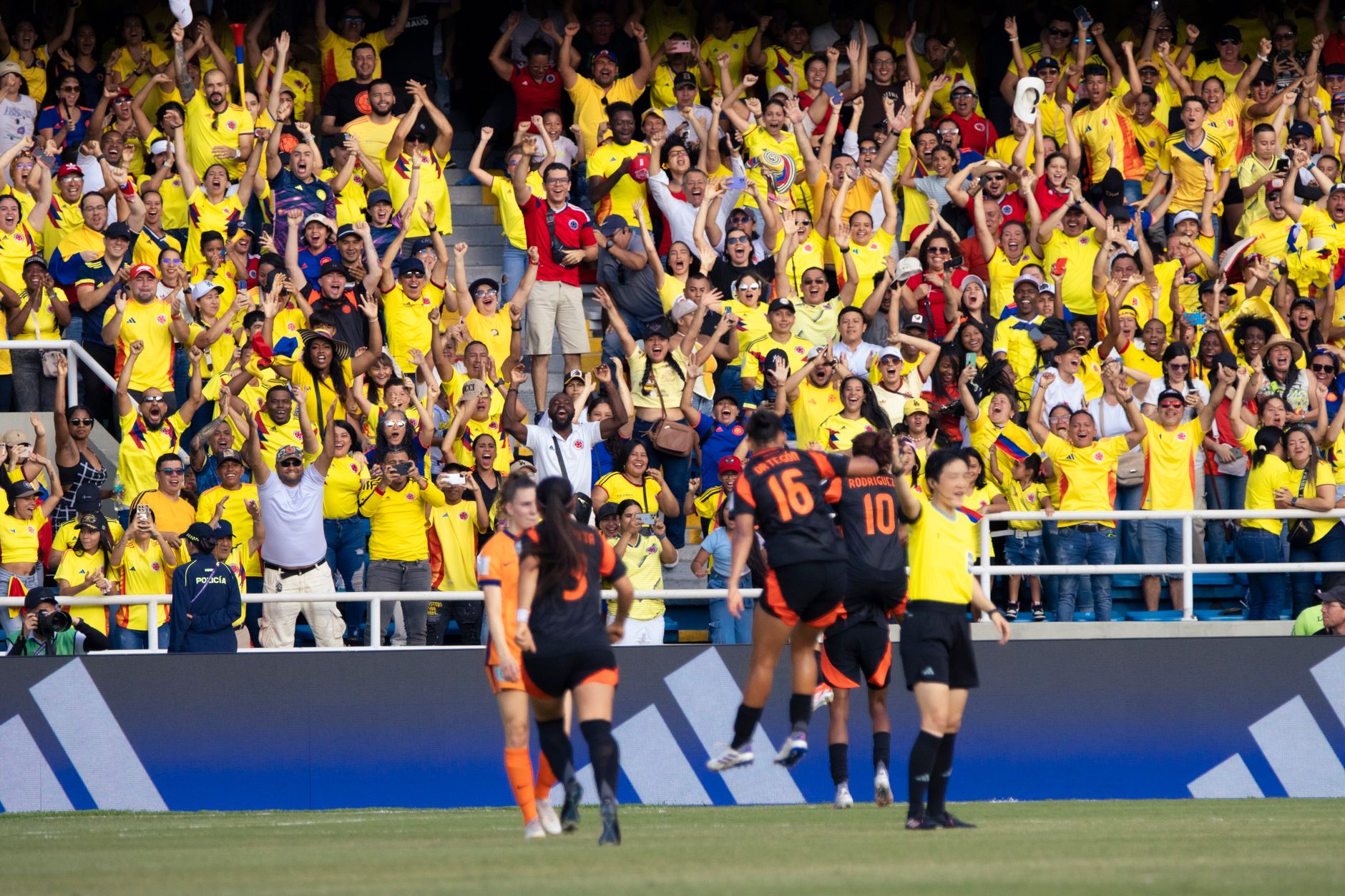
Photo by Mauricio F. Escobar M. on Pexels
The 2026 FIFA World Cup should be spectacular because it combines 48 teams, 104 matches, 16 host cities, and three host nations in one unusually ambitious tournament. My tested conclusion is simple: choose Los Angeles for the broadest fan celebration, Atlanta for efficient access and semifinal importance, and a single-city strategy for controlling cost. Start with official FIFA information, then build the rest around reality.
Ready to follow the 2026 World Cup with sharper match analysis?
Frequently Asked Questions
Q: What is the 2026 football World Cup?
A: The 2026 football World Cup is FIFA’s men’s global championship, jointly hosted by Canada, Mexico, and the United States. It will feature 48 national teams and 104 matches across 16 host cities from June 11 to July 19, 2026. The expanded format creates more group-stage fixtures and increases travel opportunities for supporters. The final will be played at MetLife Stadium in the New York/New Jersey host region.
Q: How many teams and matches are in the 2026 FIFA World Cup?
A: The 2026 FIFA World Cup includes 48 teams and 104 matches. This is an expansion from the 32-team, 64-match format used at Qatar 2022. The tournament will begin with a group phase before progressing through knockout rounds, so supporters should expect more fixtures and a longer event schedule. The larger field also gives additional nations a route to the global stage.
Q: How should I plan travel between World Cup host cities?
A: Plan travel by selecting one anchor city, confirming match dates, and checking the distance between every venue before purchasing tickets. Routes covering more than 1,000 miles deserve a full cost comparison because flights, baggage, transfers, hotel changes, and delays can make one extra match disproportionately expensive. Keep a buffer night before major knockout fixtures. Also verify passport and entry requirements when travelling between Canada, Mexico, and the United States.
Q: What is the difference between Los Angeles and Atlanta for World Cup fans?
A: Los Angeles offers a broader festival experience, while Atlanta offers more compact stadium access and a semifinal opportunity. Los Angeles will host eight matches at SoFi Stadium and plans fan celebrations at the Los Angeles Memorial Coliseum and across Los Angeles County. Atlanta’s Mercedes-Benz Stadium will also host eight matches, including a semifinal, with downtown attractions and MARTA connections nearby. Your best choice depends on whether atmosphere or operational simplicity matters more.
Q: Are World Cup tickets available through unofficial resale websites?
A: Unofficial resale websites carry significant authenticity, pricing, and access risks, so FIFA’s official ticketing channels should be used first. Check FIFA’s official ticket page for sales phases, terms, and authorised information. Social-media sellers and screenshots do not prove ticket ownership. Before paying, confirm the platform, transfer process, refund terms, and whether the ticket can legally be resold.
Q: How much should I budget for following the 2026 World Cup?
A: A practical budget must include tickets, accommodation, transport, meals, insurance, and contingency funds rather than only the match price. Costs will vary sharply by city and match stage, with semifinals and the final likely creating greater demand than ordinary group fixtures. Compare a single-city stay with multi-city travel before committing. Keep betting or prediction entertainment money entirely separate from essential travel funds.
Q: What should I do if a World Cup travel plan fails?
A: If a flight, hotel, or ticket arrangement fails, contact the official provider immediately, preserve every confirmation and receipt, and use a contingency night or alternative route. Do not buy a suspicious replacement ticket from an unverified seller while under pressure. For match changes, rely on FIFA and the relevant host-city website rather than social-media rumours. A printed backup itinerary, offline maps, and flexible transport budget can prevent one disruption from ruining the entire trip.